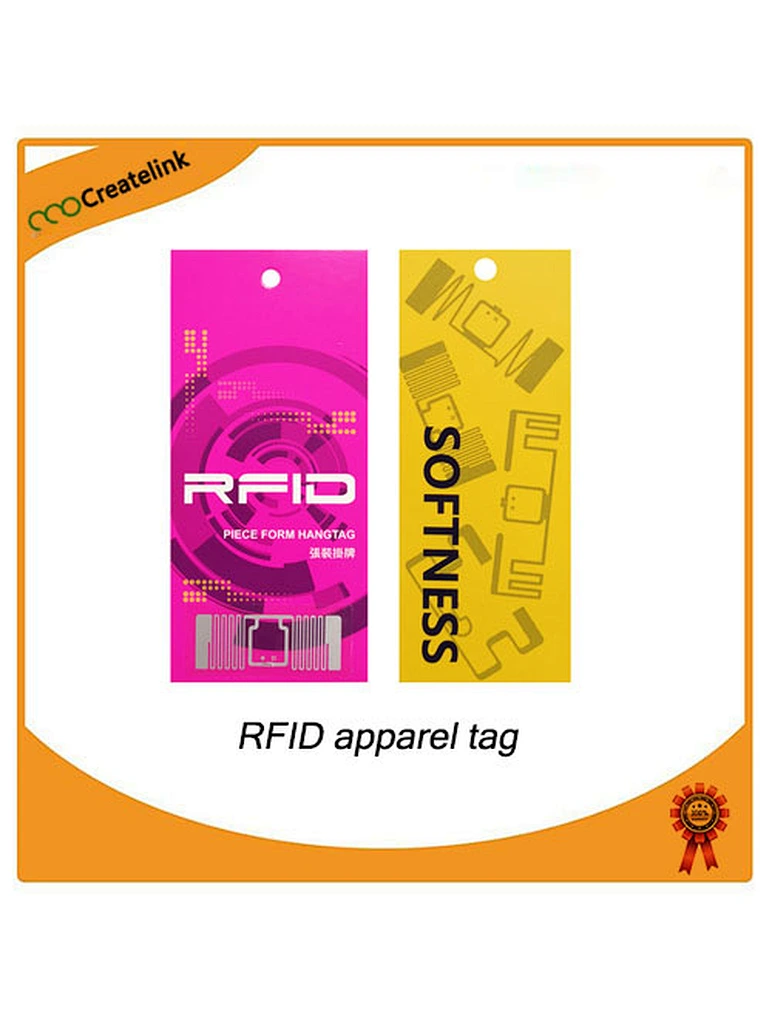


RFID apparel tag
price
US $0.10 - US $0.65 / pieces
CL2001E
FOB
1000 pieces
10000000pieces / Month
China
25Day
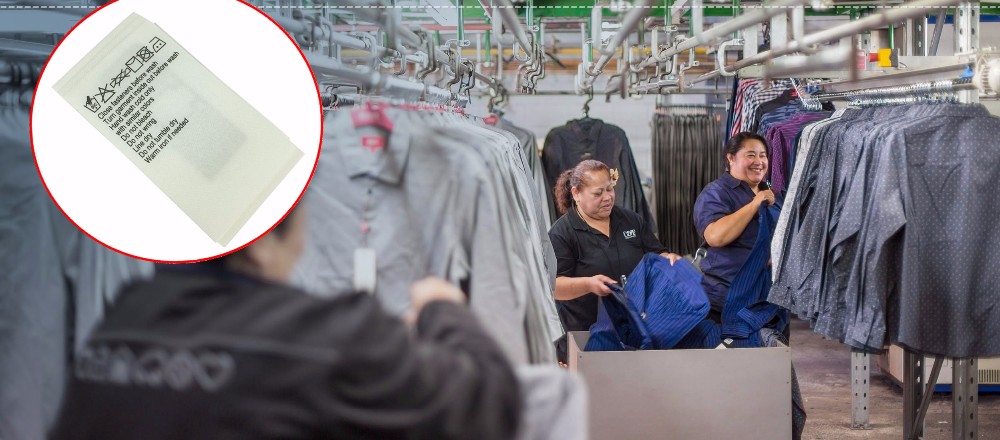
RFID clothing electronic tags can help solve several problems in the clothing industry.
1.sales statistics(from top to bottom, pic.1).
2.inventory check for timely replenishment(from top to bottom, pic.2).
3.clothing tracking, convenient to find goods at the counter(from top to bottom, pic.3).
4.clothing store reconciliation.
By introducing RFID tags, the work efficiency has been greatly improved.
1.sales statistics(from top to bottom, pic.1).
2.inventory check for timely replenishment(from top to bottom, pic.2).
3.clothing tracking, convenient to find goods at the counter(from top to bottom, pic.3).
4.clothing store reconciliation.
By introducing RFID tags, the work efficiency has been greatly improved.
Quantity
 RFID apparel tag is used for smart retail management, tracking management, cloth warehouse management, asset tracking, logistics, etc.
UHF Clothing tag use for apparel and shoes tag,Cloth warehouse management,Asset tracking,Logistics
RFID Parameter | |
| Material | Fabric, Silicone, PPS |
| Size | 38*20mm/56*10.5mm/60*20mm/87*18mm or Customized Size |
| Frequency | 13.56MHz, 860-960 MHz |
| Protocal | EPC Class1 Gen 2 ,ISO18000-6C, |
| Chip | NFC213/215/216,U8 or Customized |
| Mounting Method | Sew / Hang tie |
| Reading/Writing distance | 0-5m |
| Warranty | over 200 whahing cycles |
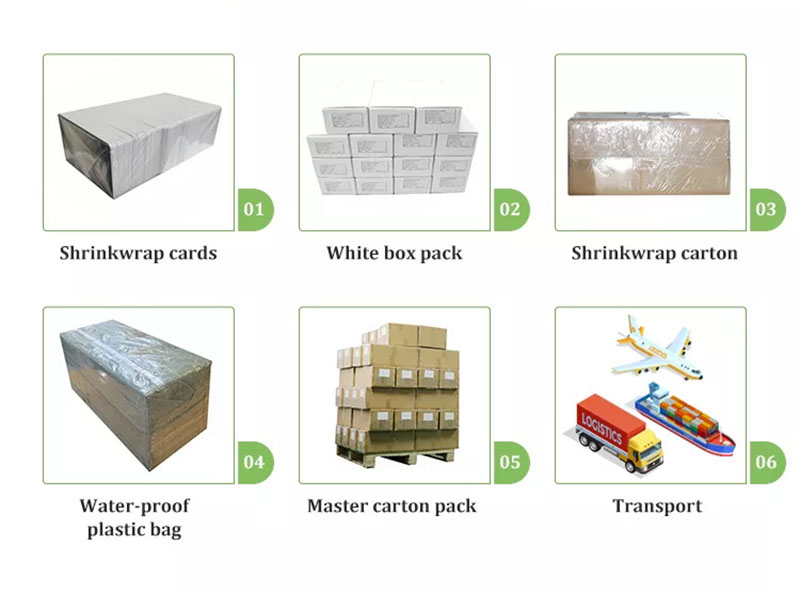
| Package | box |
| Shipment | By Express, by air, by sea |
| Application | Laundry Management |

The RFID hang tag for clothes is widely used in retail industry, expecialy used for apparel/garment/cloth management and shoes management. We provide RFID adhesive label, RFID hang tag, RFID woven/textile/fabric tag, etc.
Almost all RFID apparel tags are using UHF (ultra high frequency) because it’s anti-collision. Multiple tags could be detected within few seconds from a long distance. Besides, each RFID chip has a unique identifier inside which cannot be changed or copied, therefore, if using an RFID tag for the product, the consumer can use this unique identifier to check whether the product they bought are authentic, then to realize anti-counterfeiting even in global market.
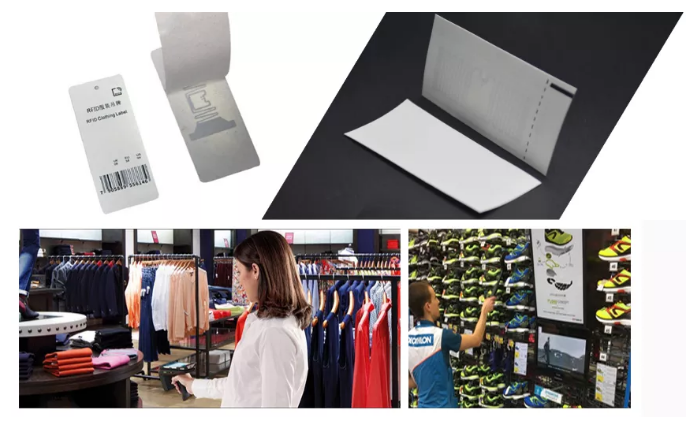

Advantage of RFID UHF garment tags:
1. Enable fast scanning and reading of products
2. Real-time monitoring of products from raw materials to semi-finished products, finished products, transportation, warehousing, distribution, shelves, sales, and even return processing
3. Establish a safe and reliable management model
4. Help companies achieve a low-cost and efficient supply chain operation system